


Packaging in the beauty industry is not just about holding a product; it tells a story about a brand’s values. Consumers are no longer satisfied with products that look good but come wrapped in wasteful materials. They are actively seeking out brands that commit to sustainable packaging for cosmetics, and they are willing to reward those choices with loyalty.
This shift is also being driven by change at the regulatory level, as governments place tighter restrictions on single-use plastics and non-recyclable packaging. For beauty brands, this means sustainable solutions are no longer optional but a necessity for both compliance and competitiveness.
In this guide, we explore what sustainable packaging really means for cosmetic brands, the materials available, the challenges to consider, and the practical steps to get started.
The Growing Demand for Sustainable Packaging in Cosmetics
Consumers are becoming more conscious of the impact of packaging, and this is particularly true in the beauty industry. Skincare products are often packaged in plastic jars, pumps, and sachets, many of which end up in landfill. As awareness grows, shoppers are actively looking for brands that use sustainable packaging, such as recyclable glass, compostable tubes, or refillable containers.
This demand is being reinforced by regulation. Australia’s 2025 National Packaging Targets require that all packaging, including cosmetics and personal care products, must be reusable, recyclable, or compostable. The phase out of single-use plastics and the emphasis on recyclable content mean that beauty brands must rethink the way their packaging is designed.
For skincare companies, sustainable packaging offers more than compliance. It helps to strengthen brand reputation, attract eco-conscious consumers, and build trust in a competitive marketplace. Choosing packaging that reflects environmental values shows commitment not only to the planet but also to the long-term growth of the brand.
What Sustainable Packaging for Cosmetics Really Mean for Brands
In the skincare and cosmetics industry, sustainable packaging refers to packaging that is designed to reduce environmental impact across its entire lifecycle. This includes the materials chosen, the method of packaging manufacture, whether the packaging can be reused or recycled, and the energy consumed during production. For beauty brands, sustainable packaging is not simply about replacing plastic with another material. It is about creating solutions that balance functionality, compliance, and sustainability.
The 7 R’s of Sustainable Packaging
To guide cosmetic companies, the concept of the 7 R’s of sustainable packaging is often applied. These principles provide a framework for reducing environmental impact:
- Rethink: Challenge traditional packaging designs and consider alternatives
- Refuse: Avoid unnecessary components such as excess wrapping.
- Reduce: Minimise material use without compromising product safety.
- Reuse: Create packaging that can be refilled or repurposed.
- Recycle: Ensure materials can enter existing recycling streams.
- Replace: Switch from harmful materials to safer, renewable alternatives.
- Renew: Use materials sourced from renewable origins such as bamboo or sugarcane.
Sustainable vs Zero-Waste Packaging
While often used interchangeably, sustainable packaging and zero-waste packaging are not the same.
- Sustainable packaging focuses on reducing the environmental footprint of materials and production. For example, using recyclable glass jars or biodegradable tubes still generates some waste, but it ensures that the waste is easier to manage.
- Zero-waste packaging aims for a closed loop where no waste is created at all. This could mean refill systems for skincare bottles, compostable sachets, or entirely reusable containers.
For most cosmetic brands, zero-waste remains aspirational, while sustainable packaging is a practical and achievable step that delivers immediate benefits.
Common Packaging Options for Cosmetic Brands
Choosing the right materials is central to creating sustainable packaging for cosmetics. In skincare, packaging not only needs to be environmentally responsible but also protective, hygienic, and visually appealing. Below are some of the most practical options for beauty brands looking to make the switch.
Bamboo
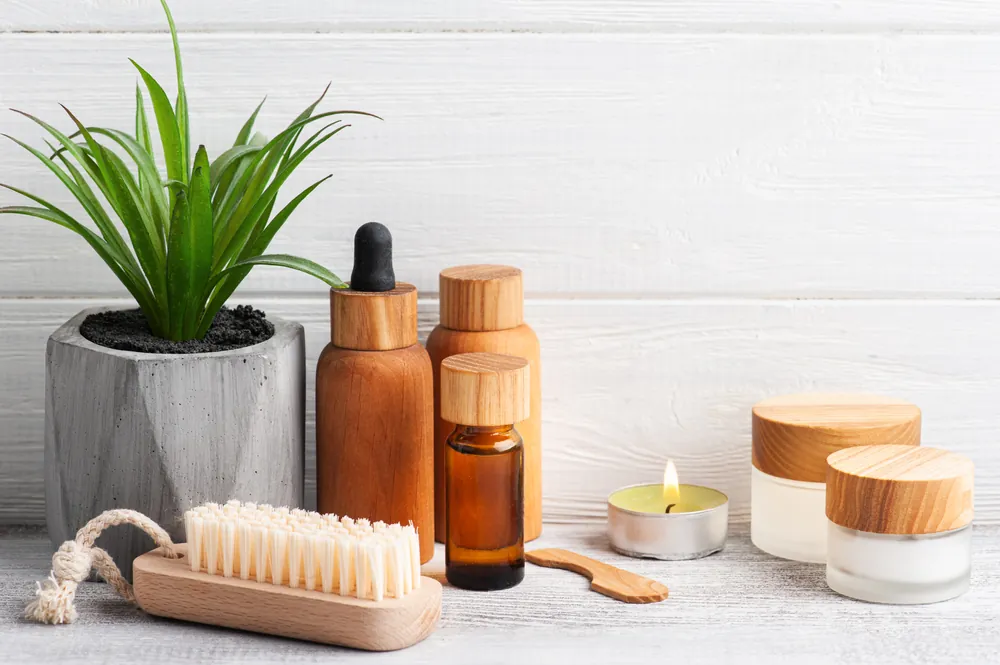
Bamboo is a renewable resource that grows quickly and does not require chemical pesticides. It is increasingly used for cosmetic packaging elements such as jar lids, applicators, and outer casings. Bamboo adds a natural, premium look while reducing reliance on plastics.
Glass
Glass is one of the most popular sustainable packaging materials in skincare. It is fully recyclable, does not degrade during the recycling process, and provides a high level of product protection. Glass jars and bottles are ideal for creams, serums, and oils, and they give products a premium appearance that resonates with eco-conscious consumers.
Metal
Aluminium and stainless steel are both durable and infinitely recyclable, making them strong options for sustainable packaging. Aluminium tins and bottles are lightweight, resistant to corrosion, and can be reused multiple times. Metal packaging also provides excellent protection against light and air, which is important for sensitive skincare formulations.
Paperboard and Other Paper Products
Paperboard and kraft paper are biodegradable and versatile. They are commonly used for cartons, sleeves, and secondary packaging that houses jars or tubes. When sourced from responsibly managed forests, paper-based packaging offers a renewable and cost-effective solution.
Organic and Alternative Materials
Innovations in organic materials are giving cosmetic brands new possibilities. Plant-based plastics derived from sugarcane, compostable films made from corn starch, and mushroom packaging moulds are examples of alternatives that reduce environmental impact while still offering reliable product protection.
Challenges Brands Face When Switching to Eco-Friendly Packaging
Transitioning to sustainable packaging is not always straightforward. While the benefits are clear, many skincare brands encounter practical challenges that must be managed carefully.
Cost Considerations
Sustainable materials such as glass or bamboo often cost more than conventional plastics. For smaller brands, this can put pressure on margins. However, these costs can sometimes be balanced by the ability to position products at a higher value tier, particularly in the premium skincare market.
Material Availability
Securing consistent access to specialised eco-friendly materials can be difficult. Refillable components or compostable tubes may need to be sourced internationally, which can affect lead times and supply reliability.
Compliance and Safety
Cosmetic packaging must not only look sustainable but also comply with industry regulations. Packaging materials must be tested for safety, compatibility, and stability to ensure they do not affect the formulation inside. Achieving this balance requires technical expertise and quality assurance processes.
Balancing Sustainability with Product Protection
Some eco-friendly materials provide less protection against light, air, or contamination. This can compromise shelf life if not carefully managed, particularly for active formulations. Brands must evaluate material performance to ensure product integrity is preserved.
Consumer Perception
While many consumers are asking for sustainable packaging, expectations can vary. Some expect completely zero-waste packaging, while others are satisfied with recyclable or compostable options. Brands need to communicate clearly about the type of packaging used and the best way for consumers to dispose of it responsibly.
Practical Steps to Implement Sustainable Packaging
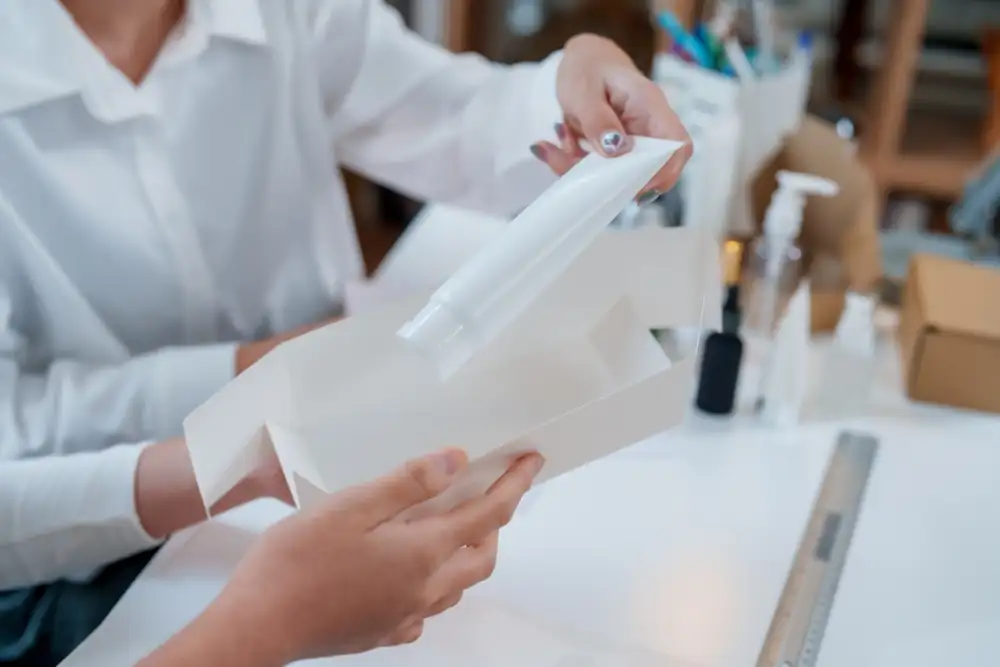
While the transition to sustainable packaging for cosmetics comes with challenges, there are practical steps brands can take to make the process smoother and more effective.
Work with a Trusted Manufacturing Partner
Choosing the right manufacturing partner is one of the most important decisions. An experienced partner ensures packaging is safe for skincare formulations, tested for quality, and aligned with environmental goals. The right collaboration helps brands balance sustainability with compliance and functionality.
Leverage Innovation and Research
The packaging industry is evolving quickly, with new eco-friendly materials and technologies emerging. Refills, lightweight designs, and plant-based plastics are becoming more accessible. Brands that invest in innovation not only stay ahead of competitors but also demonstrate leadership in sustainability.
Plan Budgets Realistically
Sustainable materials can be more expensive than traditional plastics. Building sustainability into financial planning from the start helps brands manage costs effectively. In many cases, savings can be achieved by reducing packaging layers or simplifying designs without sacrificing appeal.
Reduce Excess Through Smart Design
Sustainability is not just about the material used, but how much of it is required. Optimising shapes, using lighter components, and removing unnecessary elements such as secondary boxes can significantly reduce a brand’s environmental footprint while lowering costs.
Future Packaging Trends Every Cosmetic Brand Should Know
The beauty industry is evolving rapidly, and packaging is a key area where innovation is reshaping expectations. Brands that keep pace with these changes not only meet current demand but also future-proof their business.
Refillable Packaging Systems
Refillable packaging is one of the fastest-growing trends in cosmetics. From jars designed with removable inner pods to airless pump bottles that can be refilled, this approach reduces waste and builds customer loyalty.
Circular Economy Practices
The concept of a circular economy is transforming packaging. Instead of packaging being designed for a single use, it is now created to re-enter the system through recycling, reuse, or composting. For skincare brands, this might mean using glass jars that can be returned and sterilised, or aluminium containers that are infinitely recyclable.
Smart Labelling and Traceability
Consumers want transparency about what happens to packaging after use. Smart labelling, such as QR codes linked to recycling instructions or sustainability certifications, is becoming increasingly common. These tools help customers make informed decisions and demonstrate a brand’s commitment to accountability.
Biodegradable and Compostable Innovations
Beyond recycling, biodegradable and compostable materials are offering new possibilities. Tubes made from sugarcane bioplastic or compostable films provide alternatives that reduce environmental impact while maintaining functionality for creams, serums, and masks.
Building a More Sustainable Cosmetic Brand
The shift towards sustainable packaging for cosmetics is no longer optional. Consumers expect brands to demonstrate environmental responsibility, and regulations are reinforcing the need for change. By choosing the right materials, planning budgets carefully, and embracing innovative design, beauty brands can create packaging that protects both their products and the planet.
While the journey can be complex, the rewards are clear. Sustainable packaging strengthens customer trust, supports compliance, and helps brands stand out in an increasingly competitive market. The future of skincare is being shaped by refill systems, recyclable solutions, and circular practices, and those who act now will be best positioned to lead.
To achieve this, it is essential to work with a manufacturing partner who understands both the science of skincare and the principles of sustainability. At Auskin Lab, we help brands design and implement sustainable skincare packaging solutions that are practical, compliant, and environmentally responsible.
Get in touch with us today to explore how we can support your brand’s transition to sustainable packaging.


